Social media has become essential for organizations to build trust and engage with their audience. Yet many organizations struggle with consistency, posting randomly without a clear strategy. The solution lies in understanding and implementing the 5 pillars of social media content.
This framework provides structure, consistency, and purpose to everything you post without requiring daily content creation or viral moments. By organizing your content into five distinct categories, you can plan efficiently, collaborate seamlessly, and build genuine trust with your audience.
Testimonials & Social Proof
Testimonials and social proof are among the most powerful content types you can share. They leverage the psychology of social proof—the human tendency to trust recommendations from others more than direct marketing claims.
When potential customers see real people sharing positive experiences with your organization, they are more likely to trust you and take action.
What to Include:
Customer testimonials and direct quotes
Success stories and case studies
Reviews and ratings
User-generated content
Real customer experiences
How to Collect:
Ask directly after successful projects
Make it easy with simple forms
Incentivize participation
Use multiple channels
Always get permission before sharing
Values, Expertise & Education
This pillar establishes your organization as a trusted authority. By sharing your values, expertise, and educational content, you position yourself as a thought leader and build trust with your audience.
Educational content adds value without asking for anything in return, which strengthens your relationship with followers.
What to Include:
Industry insights and trends
Expert tips and advice
Educational content and tutorials
Company values and mission
Thought leadership perspectives
Webinars and training resources
Behind-the-Scenes & Day-in-the-Life
Behind-the-scenes content humanizes your organization and builds genuine connection. People want to know the real people behind the brand, not just polished marketing messages.
This pillar shows the authentic work happening behind closed doors, which builds trust and makes your organization feel more relatable.
What to Include:
Team spotlights and introductions
Office culture and team dynamics
Project sneak peeks
Daily routines and processes
Event coverage
How you create products or deliver services
How-To, About Us & Working With Us
This pillar provides practical, instructional content that helps your audience solve problems and understand how to work with your organization. It drives conversions by making it clear what you offer and how people can benefit.
What to Include:
How-to guides and tutorials
FAQs and common questions
About Us and company story
Service and product information
Application and registration instructions
Pricing and options
Timely & Real-Time Updates
While Pillars 1–4 are planned in advance, Pillar 5 is intentionally reserved for real-time, unplanned content. This keeps your social media feeling fresh and current.
What to Include:
Announcements and new initiatives
Community moments and celebrations
Seasonal updates
Real-time responses to trends
Breaking news and urgent updates
Event coverage and live updates
This is also the pillar where organizations show how to manage a crisis in social media, respond quickly to public concerns, and share accurate updates when timing matters most.
Implementation Strategy: A Year of Content Without Burnout
The 5-pillar system allows you to create a full year of content efficiently:
40 evergreen posts: Create 10 posts for each of the 4 planned pillars
12 real-time posts: Reserve space for Pillar 5 content
The 5-pillar system is not about going viral or chasing trends. It is about building genuine trust with your audience through consistent, valuable, and authentic content.
By organizing your social media strategy around these five pillars, you tell your complete story, stay consistent, build trust, work efficiently, and achieve real business results.
Start implementing the 5-pillar system today. Create 10 posts for each pillar and schedule them throughout the year. Your audience—and your team—will thank you.
Natural Search Engine Optimization (SEO) is one of the most effective ways for service-based businesses to increase visibility online.
In our latest Marketing Meetup, we explored how SEO works in 2026 and, more importantly, how to perform keyword research using free tools like Google Search.
Many organizations struggle with limited budgets, inconsistent content, and uncertainty about what to publish. The result is a website that exists—but doesn’t actively attract traffic.
In this post, you’ll learn how to:
Understand modern SEO fundamentals
Use Google Search to find real keywords and questions
Turn those insights into high-performing blog content
Build authority and trust with your audience
What SEO Means in 2026
SEO is the process of improving your website so it appears higher in search results when people look for services or information you provide. In 2026, SEO is built on three core pillars:
1. Technical Foundation
This is everything behind the scenes that supports a strong user experience:
Fast-loading pages
Mobile-friendly design
Clear site structure
Easy navigation
A strong technical foundation ensures users can quickly find what they need.
2. Authority and Trust
Search engines prioritize content that demonstrates credibility. You build authority by:
Publishing helpful, accurate content
Earning positive reviews
Becoming a reliable source of information
Organizations that consistently educate their audience are more likely to earn trust—and clicks.
3. Content and Search Intent
This is where most organizations have the biggest opportunity. Your content must:
Match what people are actively searching for
Answer real questions
Solve real problems
With AI tools now available, creating high-quality content is faster than ever—but it still starts with understanding search intent.
Why SEO Is a Long-Term Investment
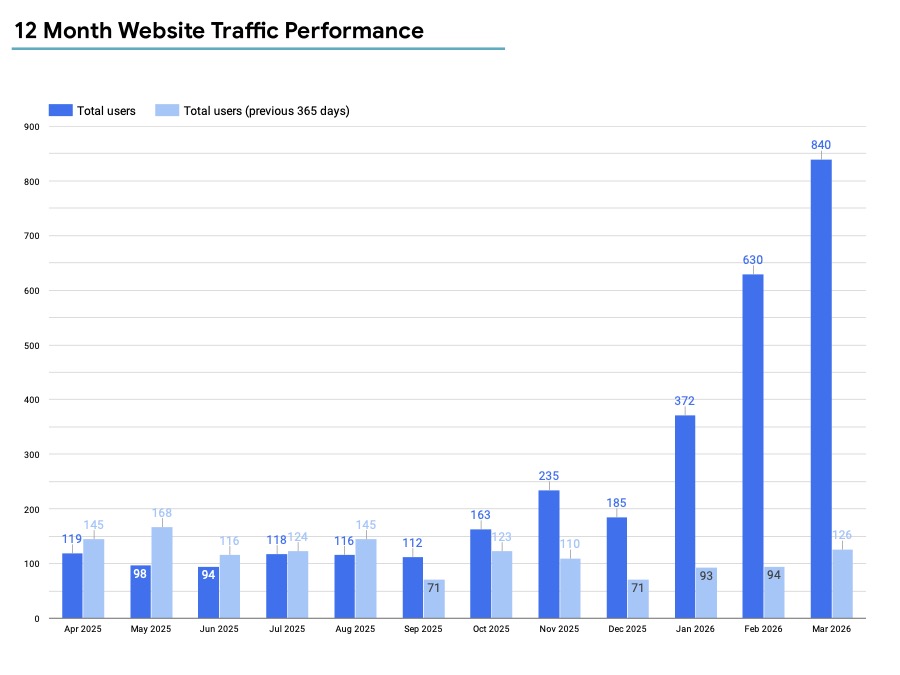
SEO is not an overnight strategy. It requires consistency. Early on, results may seem slow. But organizations that consistently publish content based on real search demand often see significant growth over time. The key is simple:
Publish consistently (at least once per month)
Focus on relevant topics
Build momentum over time
When done correctly, SEO compounds and drives sustained traffic growth.
What Is Keyword Research?
Keyword research is the process of discovering:
What people are searching for
The exact phrases they use
The questions they want answered
The problems they need solved
Instead of guessing what to write about, keyword research ensures your content is aligned with real demand.
How to Do Keyword Research Using Only Google
You don’t need expensive tools to find valuable keywords. Google itself provides everything you need. Here’s a simple process you can follow.
Step 1: Use Google Autocomplete
Start typing a topic into Google. You’ll notice suggested phrases appear automatically. These are real searches people are making. For example, typing a topic may reveal variations like:
“how to [service] without [specific step]”
“how to [service] like a pro”
“[service] for beginners”
These suggestions indicate real search demand.
Step 2: Review “People Also Ask”
After running a search, look for the “People Also Ask” section. This shows:
Common questions
Specific concerns
Follow-up queries
These questions should become sections within your content.
Step 3: Analyze Related Searches
Scroll to the bottom of the search results page. You’ll find “Related Searches,” which provide:
Additional keyword ideas
Broader or more specific variations
Supporting topics to include in your content
Step 4: Build Your Keyword List
From these three sources, create a simple list that includes:
One primary keyword
Several secondary keywords
A list of questions to answer
This becomes the foundation of your content.
Turning Keywords Into a Search-Driven Blog Post
Once you have your keyword list, the next step is to turn it into content. AI tools can help accelerate this process, but structure and clarity still matter. A strong prompt should include:
Your role (e.g., local government, service provider)
The topic of the post
The goal (educate, guide, inform)
Your target audience
The primary keyword
Supporting keywords
Questions to answer
This ensures the final content is:
Relevant
Structured
Helpful to real users
Why Educational Content Drives More Customers
One common concern is this: “If we teach people how to do it themselves, won’t they avoid hiring us?” In reality, the opposite is true. Educational content helps you:
Demonstrate expertise
Build credibility
Earn trust before a conversation even begins
When users see that you clearly understand a topic, they are more likely to:
Trust your organization
View you as the expert
Choose you over competitors
This type of content also serves as a top-of-funnel strategy—bringing people to your website before guiding them toward your services.
How SEO Content Supports AI Search Results
With the rise of AI-powered search features, such as Google’s AI overviews, content strategy has become even more important. These systems:
Pull information from high-quality content
Cite trusted sources
Link back to original websites
If your organization consistently publishes helpful, optimized content, you increase your chances of being:
Referenced in AI-generated answers
Linked within search results
Positioned as a trusted authority
Organizations that don’t publish content are unlikely to appear in these results at all.
Actionable Takeaways
Key Lessons
SEO is built on technical performance, authority, and content
Keyword research should focus on real search behavior
Google provides powerful keyword insights for free
Consistency matters more than volume
Educational content builds trust and drives conversions
Practical Steps You Can Take Today
Choose one topic your audience frequently asks about
Use Google Autocomplete to find related searches
Collect questions from “People Also Ask”
Review related searches for additional ideas
Create a keyword list
Write or generate a structured blog post
Publish and repeat monthly
Final Thoughts
SEO in 2026 is more accessible than ever. You don’t need expensive tools or a large team to start seeing results. What you need is a clear process, consistent execution, and a focus on helping your audience.
By using Google Search for keyword research and combining it with structured content creation, your organization can build visibility, authority, and long-term growth.
Continue Learning with Content Fresh
Want to go deeper?
Join our next Marketing Meetup to learn practical strategies you can apply immediately