
Natural Search Engine Optimization (SEO) is one of the most effective ways for service-based businesses to increase visibility online.
In our latest Marketing Meetup, we explored how SEO works in 2026 and, more importantly, how to perform keyword research using free tools like Google Search.
Many organizations struggle with limited budgets, inconsistent content, and uncertainty about what to publish. The result is a website that exists—but doesn’t actively attract traffic.
In this post, you’ll learn how to:
- Understand modern SEO fundamentals
- Use Google Search to find real keywords and questions
- Turn those insights into high-performing blog content
- Build authority and trust with your audience
What SEO Means in 2026
SEO is the process of improving your website so it appears higher in search results when people look for services or information you provide. In 2026, SEO is built on three core pillars:
1. Technical Foundation
This is everything behind the scenes that supports a strong user experience:
- Fast-loading pages
- Mobile-friendly design
- Clear site structure
- Easy navigation
A strong technical foundation ensures users can quickly find what they need.
2. Authority and Trust
Search engines prioritize content that demonstrates credibility. You build authority by:
- Publishing helpful, accurate content
- Earning positive reviews
- Becoming a reliable source of information
Organizations that consistently educate their audience are more likely to earn trust—and clicks.
3. Content and Search Intent
This is where most organizations have the biggest opportunity. Your content must:
- Match what people are actively searching for
- Answer real questions
- Solve real problems
With AI tools now available, creating high-quality content is faster than ever—but it still starts with understanding search intent.
Why SEO Is a Long-Term Investment
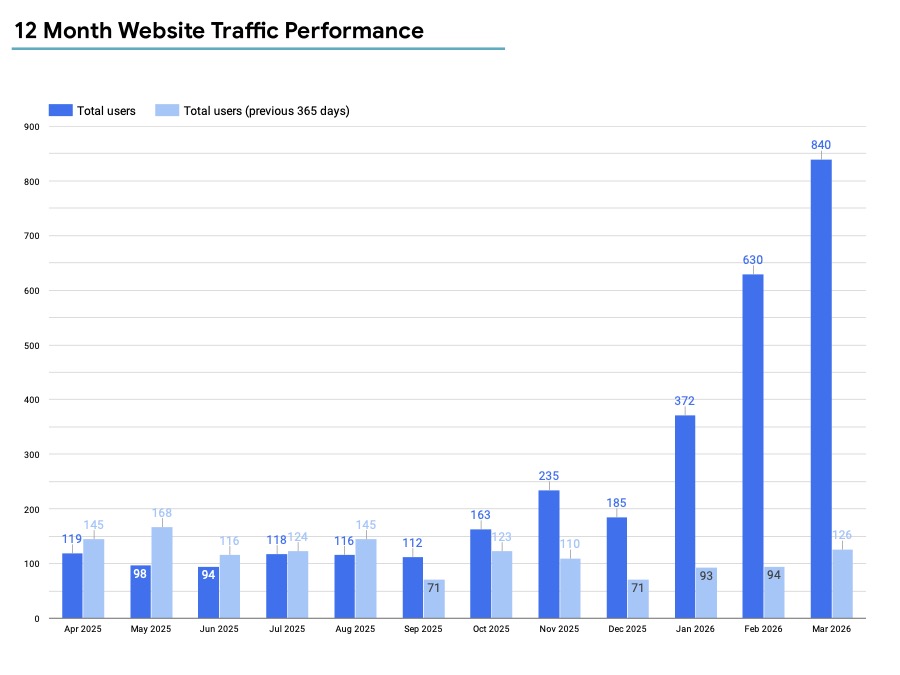
SEO is not an overnight strategy. It requires consistency. Early on, results may seem slow. But organizations that consistently publish content based on real search demand often see significant growth over time. The key is simple:
- Publish consistently (at least once per month)
- Focus on relevant topics
- Build momentum over time
When done correctly, SEO compounds and drives sustained traffic growth.
What Is Keyword Research?
Keyword research is the process of discovering:
- What people are searching for
- The exact phrases they use
- The questions they want answered
- The problems they need solved
Instead of guessing what to write about, keyword research ensures your content is aligned with real demand.
How to Do Keyword Research Using Only Google
You don’t need expensive tools to find valuable keywords. Google itself provides everything you need. Here’s a simple process you can follow.
Step 1: Use Google Autocomplete
Start typing a topic into Google. You’ll notice suggested phrases appear automatically. These are real searches people are making. For example, typing a topic may reveal variations like:
- “how to [service] without [specific step]”
- “how to [service] like a pro”
- “[service] for beginners”
These suggestions indicate real search demand.
Step 2: Review “People Also Ask”
After running a search, look for the “People Also Ask” section. This shows:
- Common questions
- Specific concerns
- Follow-up queries
These questions should become sections within your content.
Step 3: Analyze Related Searches
Scroll to the bottom of the search results page. You’ll find “Related Searches,” which provide:
- Additional keyword ideas
- Broader or more specific variations
- Supporting topics to include in your content
Step 4: Build Your Keyword List
From these three sources, create a simple list that includes:
- One primary keyword
- Several secondary keywords
- A list of questions to answer
This becomes the foundation of your content.
Turning Keywords Into a Search-Driven Blog Post
Once you have your keyword list, the next step is to turn it into content. AI tools can help accelerate this process, but structure and clarity still matter. A strong prompt should include:
- Your role (e.g., local government, service provider)
- The topic of the post
- The goal (educate, guide, inform)
- Your target audience
- The primary keyword
- Supporting keywords
- Questions to answer
This ensures the final content is:
- Relevant
- Structured
- Helpful to real users
Why Educational Content Drives More Customers
One common concern is this: “If we teach people how to do it themselves, won’t they avoid hiring us?” In reality, the opposite is true. Educational content helps you:
- Demonstrate expertise
- Build credibility
- Earn trust before a conversation even begins
When users see that you clearly understand a topic, they are more likely to:
- Trust your organization
- View you as the expert
- Choose you over competitors
This type of content also serves as a top-of-funnel strategy—bringing people to your website before guiding them toward your services.
How SEO Content Supports AI Search Results
With the rise of AI-powered search features, such as Google’s AI overviews, content strategy has become even more important. These systems:
- Pull information from high-quality content
- Cite trusted sources
- Link back to original websites
If your organization consistently publishes helpful, optimized content, you increase your chances of being:
- Referenced in AI-generated answers
- Linked within search results
- Positioned as a trusted authority
Organizations that don’t publish content are unlikely to appear in these results at all.
Actionable Takeaways
Key Lessons
- SEO is built on technical performance, authority, and content
- Keyword research should focus on real search behavior
- Google provides powerful keyword insights for free
- Consistency matters more than volume
- Educational content builds trust and drives conversions
Practical Steps You Can Take Today
- Choose one topic your audience frequently asks about
- Use Google Autocomplete to find related searches
- Collect questions from “People Also Ask”
- Review related searches for additional ideas
- Create a keyword list
- Write or generate a structured blog post
- Publish and repeat monthly
Final Thoughts
SEO in 2026 is more accessible than ever. You don’t need expensive tools or a large team to start seeing results. What you need is a clear process, consistent execution, and a focus on helping your audience.
By using Google Search for keyword research and combining it with structured content creation, your organization can build visibility, authority, and long-term growth.
Continue Learning with Content Fresh
Want to go deeper?
- Join our next Marketing Meetup to learn practical strategies you can apply immediately
- Explore how our social media management software helps you stay consistent and visible online.
Consistency builds trust—and the right system makes consistency possible.